
"volcanic soil"
4000 article(s) found

What are the characteristics of Attland coffee beans sweet taste of ripe fruit of Guatemala Atilan coffee
For more information on coffee beans, please follow the front street of the Coffee Workshop (official Wechat account cafe_style)-Atitlan region of Guatemala. Atitlan is one of the five largest volcanic coffee producing areas in Guatemala, and its soil is the most abundant in organic matter among the five major volcanic coffee producing areas. 90% of the traditional Attland coffee is grown in Atitland, known as the most beautiful volcanic lake.

Eight major coffee producing areas in Guatemala introduce the treatment methods of fine coffee.
Eight major coffee producing areas in Guatemala. Acatenango Valley: the Acatenango Valley is 2000 meters (6500 feet) above sea level, with dense shade and unique ecology. Nearby Fuego volcanoes continue to erupt, making its coarse, sandy soil rich in a variety of minerals. Temperate sea breezes from the Pacific and seasons

How to drink Guatemalan coffee beans with different characteristics of coffee in eight producing areas of Guatemala
The Ekatlago Valley is 2000 meters (6500 feet) above sea level, with dense shade and unique ecology. The nearby Fuego volcano erupts, making its coarse, sandy soil rich in a variety of minerals. Temperate sea breezes from the Pacific and a seasonal climate allow coffee in this region to be dried by sunlight and processed according to traditional family methods that have been accumulated over the years. [characteristics]
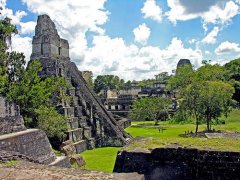
Characteristics and attributes of coffee from eight major producing areas of high-quality coffee beans in Guatemala
The Ekatra Valley rises to 2000 meters (6500 feet), with dense shade and unique ecology, and the nearby Fuego volcano erupts, making its coarse, sandy soil rich in a variety of minerals. Temperate sea breezes from the Pacific and a seasonal climate allow coffee in this region to be dried by sunlight and processed according to traditional family methods that have been accumulated over the years. [characteristics]
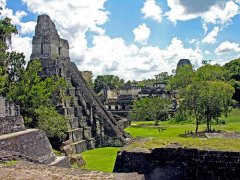
Characteristics and attributes of Coffee in eight Coffee producing areas of Guatemala in the World Coffee producing area
The Ekatlago Valley is 2000 meters (6500 feet) above sea level, with dense shade and unique ecology. The nearby Fuego volcano erupts, making its coarse, sandy soil rich in a variety of minerals. Temperate sea breezes from the Pacific and a seasonal climate allow coffee in this region to be dried by sunlight and processed according to traditional family methods that have been accumulated over the years. [characteristics]

Get to know the Coffee from six Central American countries: a detailed introduction to Guatemala Coffee beans
The temperature of Guardiola is about 15 degrees. Because of the long mountains and the great climatic changes in the region, Guardiola has created eight major coffee producing areas in the country, all located on the highland topography under tropical weather. The rainfall is stable, the fertile volcanic ash soil is in a good environment, and the coffee beans produced are all Arabica, each with different flavor and characteristics, and the first-class sour taste and fruit.

A brief introduction to the treatment method of grinding degree and baking degree of fine Guatemalan coffee beans with mellow taste
1. AcatenangoValley: the AcatenangoValley is 2000 meters (6500 feet) above sea level, with dense shade and unique ecology. Nearby Fuego volcanoes continue to erupt, making its coarse, sandy soil rich in a variety of minerals. The temperate sea breeze from the Pacific and the seasonal climate make coffee available in this producing area.

Description of Coffee Flavor of Incht Manor in Guatemala introduction to the grinding degree of varieties in producing areas
1. Acatenango Valley: the Acatenango Valley is 2000 meters (6500 feet) above sea level, with dense shade and unique ecology. Nearby Fuego volcanoes continue to erupt, making its coarse, sandy soil rich in a variety of minerals. Temperate sea breezes from the Pacific and a seasonal climate make this production.

Guatemala Antigua coffee producing area flavor taste estate introduction Guatemala eight coffee producing areas
San Marco Volcano San Marco has the hottest climate of Guatemala's eight coffee-producing regions, with rainfall of up to 200 inches (5, 000mm). The rainy season is earlier than in other areas, and coffee trees bloom earlier. As in other remote areas of Guatemala, volcanic San Marco coffee is grown and processed by small farmers. Due to frequent rains during the rainy season, most coffee is pre-dried in the sun and then Guar

Full-bodied Guatemala fine coffee beans Flavor Taste Aroma Description
4. Rainforest Cobn Cobn is cloudy, rainy and cool all year round. The vast majority of rainforest Cobain coffee is grown in the region's distinctly undulating, foggy mountains, heavily influenced by limestone and clay from the Atlantic Basin. Cobain has two seasons: rainy and rainy. Rainforest Cobn cup profile Distinct fresh fruit flavor, balanced

Introduction to Joy Manor, a coffee farm in Nicaragua, which is covered with fertile volcanic ash soil.
Nicaragua | Nicaraguan Coffee Nicaragua coffee Nicaraguan Coffee beans w.kaf.name "Nicaragua is one of the major coffee producing countries and produces high quality coffee. Even coffee from the Antigua Mountains of Guatemala, which is famous in Asia, imports raw beans from Nicaragua. Nicaraguan coffee is not well known in Asia, but in fact, Nicaraguan coffee is already

Introduction of boutique coffee manor: a detailed introduction of the characteristics and attributes of coffee in the eight major producing areas of Guatemala
The Ekatlago Valley is 2000 meters (6500 feet) above sea level, with dense shade and unique ecology. The nearby Fuego volcano erupts, making its coarse, sandy soil rich in a variety of minerals. Temperate sea breezes from the Pacific and a seasonal climate allow coffee in this region to be dried by sunlight and processed according to traditional family methods that have been accumulated over the years. [characteristics]

What's the flavor of Hawaiian Kona coffee beans? Growing volcanic soil makes coffee tastier?
What are the flavor characteristics of Hawaiian Kona coffee beans? Growing volcanic soil makes coffee tastier? Kona Coffee Kona Coffee, produced on the west coast of the Big Island of Hawaii, has many enthusiastic fans around the world because of its mild, crisp taste and rich aroma. As the only coffee producing area in the United States, Kona Coffee from Hawaii has become a tribute to the White House, entertaining distinguished guests from all over the world.
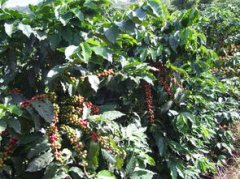
An introduction to the characteristics and attributes of Coffee in eight producing areas of Guatemala
The Ekatra Valley rises to 2000 meters (6500 feet), with dense shade and unique ecology, and the nearby Fuego volcano erupts, making its coarse, sandy soil rich in a variety of minerals. Temperate sea breezes from the Pacific and a seasonal climate allow coffee in this region to be dried by sunlight and processed according to traditional family methods that have been accumulated over the years. [characteristics

Introduction to boutique coffee manor: a detailed introduction to the characteristics and attributes of coffee in the eight major producing areas of Guatemala
The Guatemala Ekatran Valley in Guatemala is 2000 meters (6500 feet) above sea level, with dense shade and unique ecology. The nearby Fuego volcano erupts, making its coarse, sandy soil rich in a variety of minerals. Temperate sea breezes from the Pacific Ocean and a seasonal climate make coffee in this region dependent on sunlight drying for many years.

The tiny South Fruit / Guatemala / Coffee Bean / Vivetna Fruit is located in the Guatemala Micro South Fruit.
[guide] the Ekatlago Valley rises to 2000 meters (6500 feet), with dense shade and unique ecology, and the nearby Fuego volcano erupts, making its coarse, sandy soil rich in various minerals. Temperate sea breezes from the Pacific Ocean and seasonal climate have raised the Ekatangol Valley in Guatemala Guatemala to 2000 meters (6500 feet).

A brief introduction to the description of the flavor, taste and aroma characteristics of fine Guatemalan coffee beans
3. The coffee producing region of Guatemala is bordered by Mexico to the north, Honduras and El Salvador to the south, the Caribbean to the east and the Pacific Ocean to the west, with tropical rain forests, volcanic geology, plateau valleys and changeable microclimate. Guatemalan coffee once enjoyed a reputation as the best quality coffee in the world. The extra hard coffee beans here are full-grained, delicious and balanced.

The names of eight major producing areas of Guatemalan coffee and the characteristics of coffee flavor
The Ekatlago Valley is 2000 meters (6500 feet) above sea level, with dense shade and unique ecology. The nearby Fuego volcano erupts, making its coarse, sandy soil rich in a variety of minerals. Temperate sea breezes from the Pacific and a seasonal climate allow coffee in this region to be dried by sunlight and processed according to traditional family methods that have been accumulated over the years. [characteristics]

Coffee in Cameroon is grown in a rich volcanic soil, high altitude, and appropriate rainfall.
Professional coffee knowledge exchange more coffee bean information please follow the coffee workshop (Wechat official account cafe_style) Cameroon is suitable for espresso deep-roasted coffee beans. The cultivation of Arabica coffee trees in Cameroon, which began in 1913, is the Blue Mountain coffee of Jamaica, but the country also produces large quantities of Robbite coffee. The quality of Cameroon coffee

A brief introduction to the treatment method of grinding degree and baking degree of Guatemalan boutique coffee beans with obvious acidity
8. Volcano San Marco VolcanicSanMarcos: San Marco has the hottest climate of the eight largest coffee producing regions in Guatemala, with a maximum rainfall of 200inches (5000 mm). The rainy season is earlier than in other areas, and coffee trees bloom earlier. Like other remote areas of Guatemala, volcanic San Marco coffee is grown and processed by small farmers. Due to the frequent rainfall in the rainy season, most coffee comes first.